We are finally in June, the time of strawberries and other summer fruit and vegetables- best season for eating your ‘rainbow’ as we always like to recommend to our clients in teaching clinic. It’s such an easy way to remember to bring variety and lots… Read more
Sardine & Thyme Tartar on German Rye Sourdough bread
After a freezing April I went to Mallorca for the bank holiday weekend and although greeted with two days of rain we eventually got to top up on some vitamin D. What a reward to finally see blue skies and sunshine. When in Spain I love… Read more
Cauliflower rice mushroom & asparagus risotto with macadamia cheese
April is always a bit of an ‘on/off’ month, it feels like nature is going through rehearsals in preparation of the great summer performance. Despite the cold, I love this time of the year with longer light filled days , blossoming trees and little tender… Read more
Cauliflower rice mushroom & asparagus risotto with macadamia cheese
Ingredients- Serves: 3-4
1 large head cauliflower, chopped into smaller pieces
400 ml of chicken or vegetable broth
2 -3 tbsp of dried porcini mushrooms
400 g of cremini mushrooms- sliced
200 g of green asparagus
2 cloves of garlic, finely chopped
1-2 medium sized shallot finely chopped
1 tbsp coconut oil, ghee or butter for those who can tolerate it
1 tbsp ghee, butter or cold presser olive oil
1 bunch of fresh flat leaf parsley- finely chopped
3-4 twigs of thyme ( optional)
1-2 tbsp fresh lemon juice
150g of rocket
Himalayan or sea salt and freshly ground pepper
Macadamia cheese
1 cup of macadamia nuts
1-2 tbsp of nutritional yeast
Method:
Start preparing the stock in a pot with boiling water, add the Porcini mushrooms, stir well and simmer for 10-15 minutes.
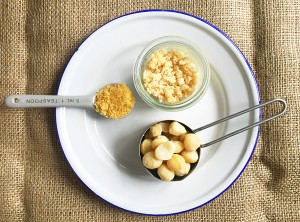
For the macadamia cheese you will need an electric or manual coffee & spice grinder. Simply transfer nuts and nutritional yeast into the grinder and grind until you get a grated Parmesan like texture. For a more cheesy flavour add more nutritional yeast. Transfer the mix into a glass jar, close the lid tightly and store in the fridge.
Wash rocket and leave to dry in a sift. Next, finely chop garlic and shallots, then wash and finely chop parsley and set aside in separate bowls.
The vegetables are best all prepared in advance, so they are ready to be used for each step. The easiest way to do this is to have a bowl ready for each vegetable and herb to keep them separate and ready to go. For the cauliflower, remove the big green outer leaves, then cut the whole head (including the middle stalk) into smaller similar size pieces, wash, drain and set aside. Next, wash and cut asparagus into 1 inch pieces (cutting off any dry ends first), then wash the mushrooms and depending on size just slice and for bigger mushrooms cut into quarters before slicing and set aside.
Now melt ghee or coconut oil at medium heat in a medium sized frying pan, add shallots and garlic and sauté until soft and lightly browned, then add the mushrooms. Keep stirring until mushrooms start producing a lovely and fragrant juice. Now add 1-2 cups of parsley and the freshly washed twigs and leaves of thyme, sauté for a couple of minutes, then add a squeeze of lemon juice and salt and pepper for taste, turn up the heat one more time ,cook for 1 minute before taking it off the hob, cover and set aside.
Next, blitz 1/2 the cauliflower pieces in a food processor until you get a rice like consistency, transfer into a big bowl before blitzing the remaining cauliflower pieces. Raw cauliflower rice is ideal for freezing, so if you feel you have too much, simply transfer into a jar and put in the freezer for your next risotto.
Re-heat the stock, you can either leave the dried and now soaked mushrooms whole or take them out to cut them into smaller pieces and return them to the stock. Once the stock has come to a boil, add the cauliflower and asparagus and simmer at a lower heat for 5 minutes, the texture should remain slightly crunchy.
Drain off any excess stock, but leave enough to give some moisture to the dish. Keep the excess stock in a jar, it can be added to the risotto if needs be or kept for the next day. Then transfer the mushroom mix to the hot cauliflower and asparagus, add a tbsp of ghee, butter or olive oil, mix carefully and simmer for another 1 minute , so everything is nice and hot. Season with salt and pepper to taste and add more parsley if desired.
To serve start with a bed of rocket on each plate, scoop the cauliflower mushrooms and asparagus risotto on top and garish with parsley, thyme and macadamia or Parmesan cheese. I love a side of purple sprouting broccoli with melted ghee and a pinch of Himalayan or sea salt to go with this dish.
Bon Appetite !!
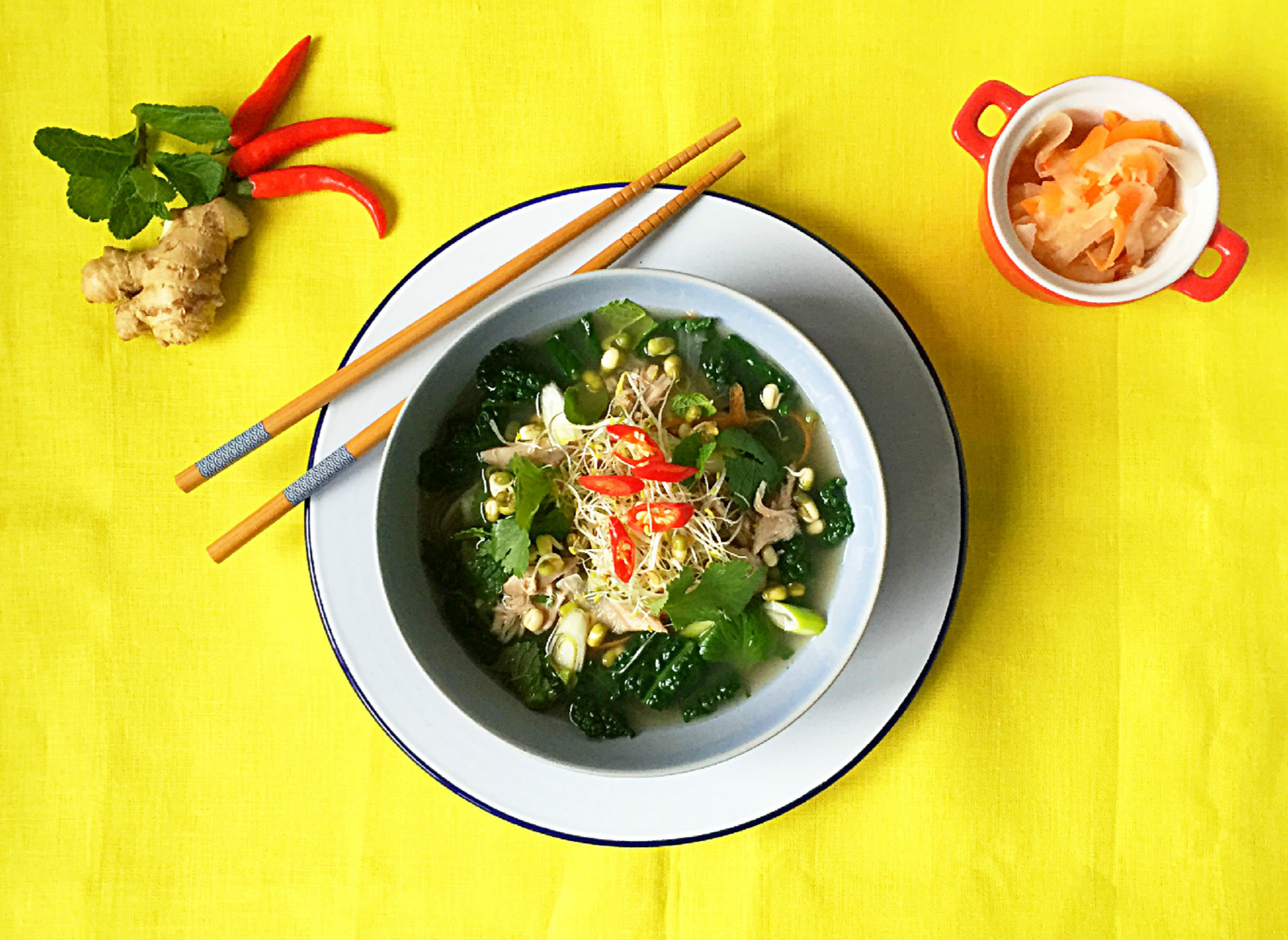
Chicken broth Pho with homemade Kimchi
This week I would like to share part two of Irma’s February post. The idea popped into my head whilst sampling a delicious Chicken Pho at my new local Vietnamese restaurant- I instantly thought I need to make one of those at home. So off… Read more
Chicken broth Pho – serves 2-3
1 tbsp of coconut oil
4 small cloves of garlic- crushed or finely chopped
2 shallots sliced
1 medium hot chili – pierced or cut in half for more heat ( remove seeds to control the heat of the chili)
2 stalks of lemon grass sliced
3 inches of ginger finely chopped
4-6 organic chicken thighs – skinned
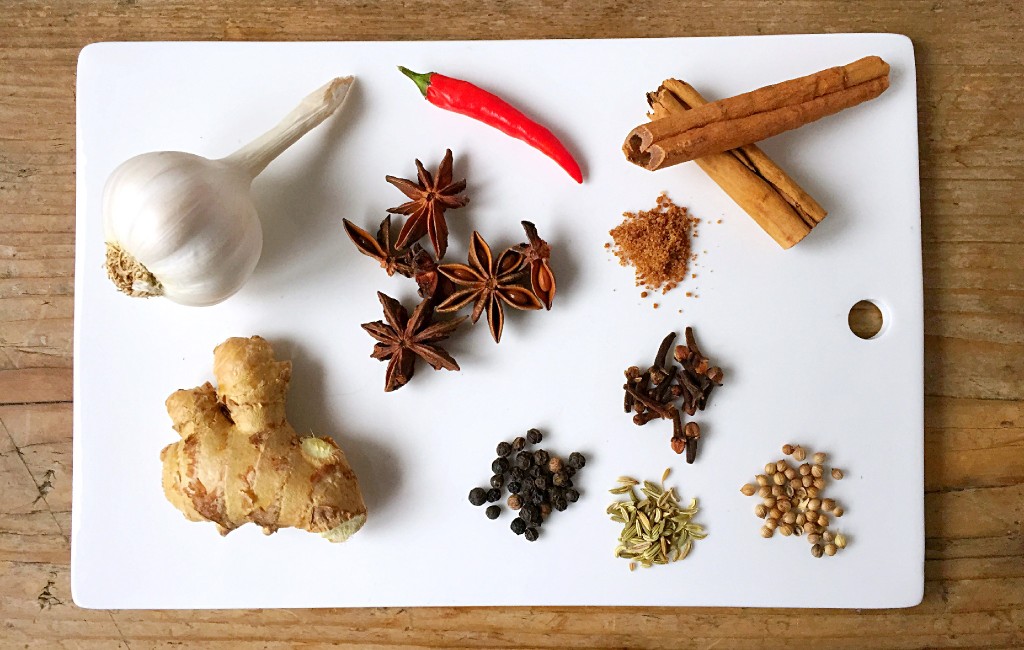
Spices : 2 whole star anise; 1 cinnamon stick; (spice mix for grounding: 1 tsp of coriander, 1/2 tsp of fennel, 1/2 tsp of dried ginger, 2-3 black pepper corns, 1 clove, 1 tsp of coconut sugar- alternative to own spice mix is 1-2 tsp of 5 Chinese spice )
1/2 tbsp fish sauce
1/2 tbsp tamari sauce
1.5 -2 litres of organic chicken stock
1-2 tsp of lemon juice, salt and pepper to taste
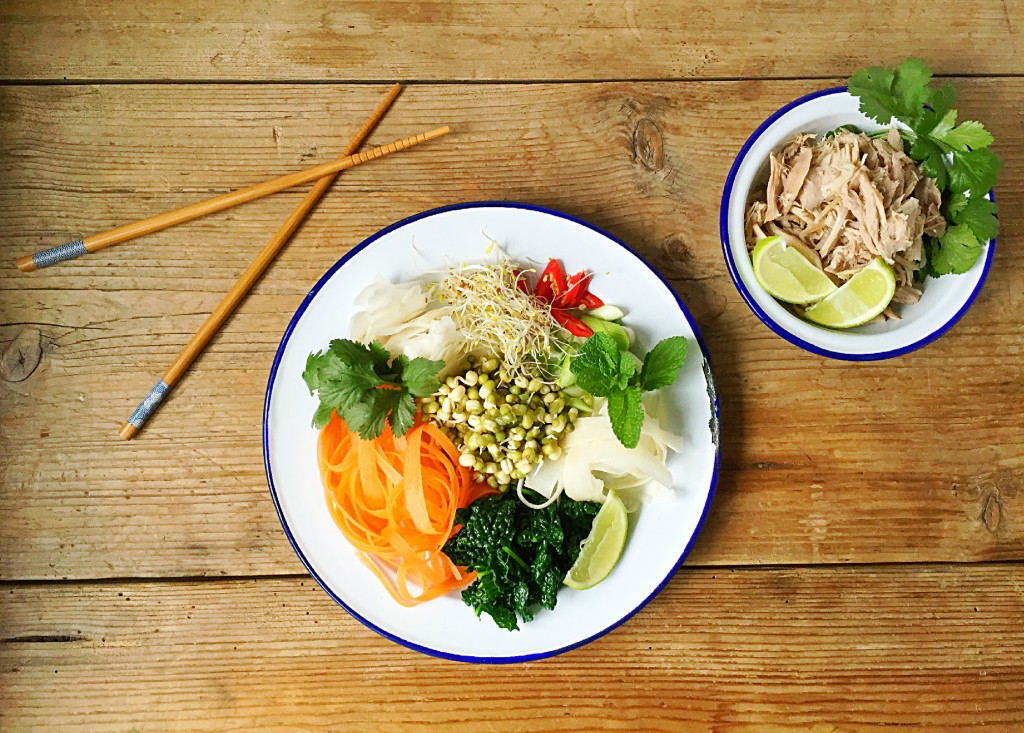
Garnish per person
1/2 carrot finely sliced or shredded
1 Jerusalem artichoke finely sliced or shredded ( add some lemon juice, so it keeps its colour)
1 spring onion sliced
1 cup of Cavlo Nero or cabbage ( chopped and blanched with boiling water)
1- 2 tbsp mung bean and alfafa sprouts
1/4 fresh lime
1 cup of brown rice vermicelli noodles or courgetti (optional)
Extra chili sliced (optional)
A handful of fresh mint, coriander, Thai basil
Method:
First heat the oil in a large pot and cook garlic, ginger and shallots at medium to low heat until golden brown, then add spice mix and cook for a minute or two to enhance the flavour of the spices. Keep stirring to mix spices and other ingredients well. Next add chicken thighs, cook for a couple of minutes before adding hot chicken stock, fish sauce, lemongrass, star anise and cinnamon stick – cover with a lid and simmer at a low heat for 1.5-2 hours. The soup is ready when the chicken easily comes off the bone.
Once cooked, remove the chicken from the soup and strain the broth through a sift, return the clear broth to the pot and add tamari, lemon juice, salt and pepper to taste, simmer for another few minutes before serving. I like to keep the spices in the soup and tend to return them to the simmering broth for further infusion, but this is optional.
Shred the chicken with a fork, cover and set aside and prepare the brown rice vermicelli noodles as per instruction on the packaging, if you like to add some- once cooked, set aside in a bowl.
For freshness I usually prepare the other vegetables 10 minutes before serving, they look super nice served on a big plate together with the shredded chicken for guests or yourself to choose from.
Serve the piping hot broth in a nice deep soup bowl with fresh ingredients and vermicelli with a side of kimchi salad.
Enjoy
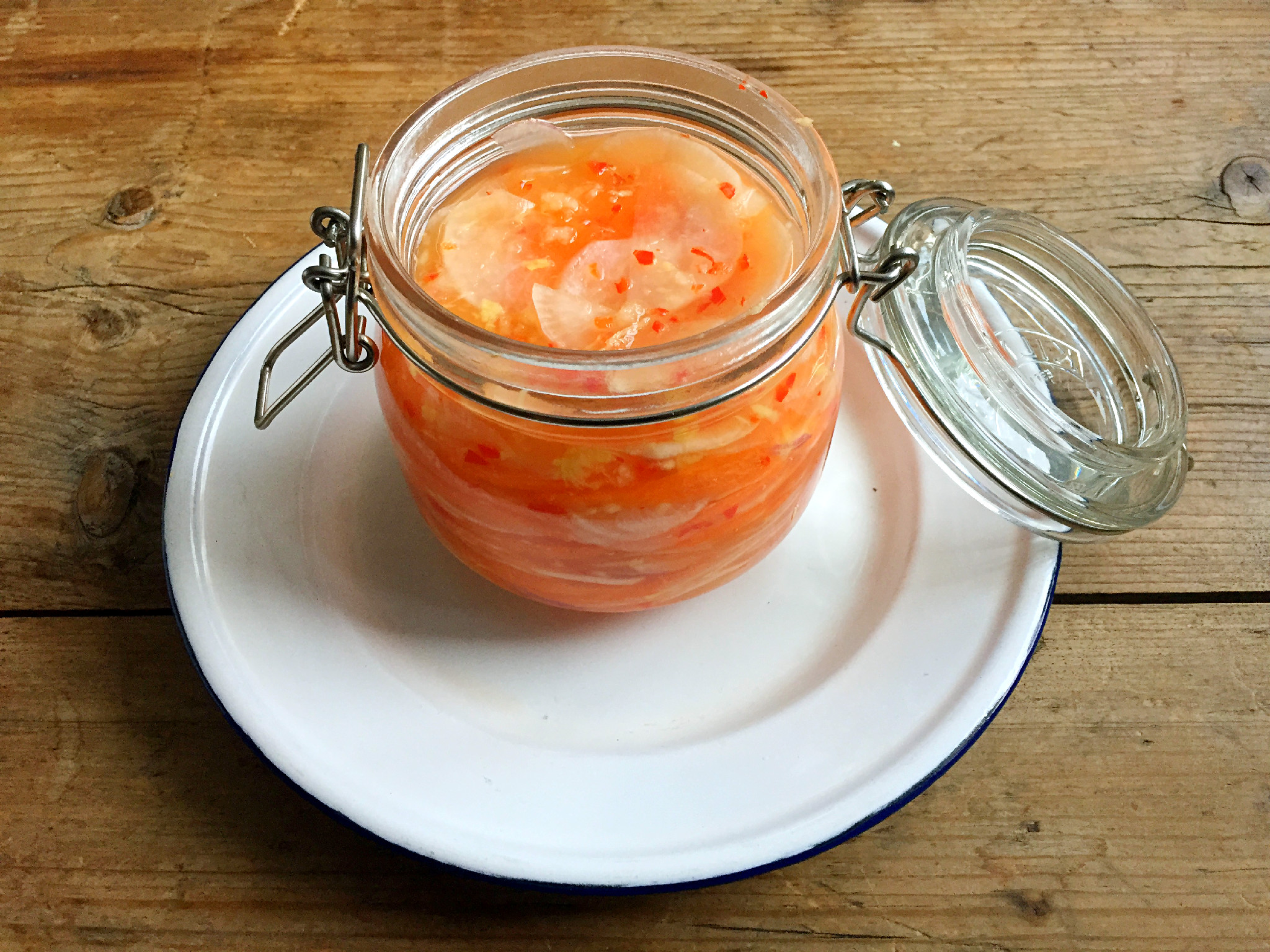
Homemade Kimchi
I hope you all had a lovely first month of the year and are looking forward to getting closer to spring, without wishing time away, of course! This month’s post comes in two parts, the first part is a homemade Korean Kimchi, which kind of… Read more

Homemade Kimchi – makes 1 medium sized Kilner Jar
Organic ingredients:
1 small Chinese cabbage ( roughly chopped)
OR
4 small carrots (finely sliced)
4 medium sized turnips ( finely sliced)
Kimchi paste:
3 cloves of garlic (grated)
2 chilies, finely chopped ( remove seeds to control heat)
3 tablespoons of freshly grated ginger
1 tsp of sesame seeds ( optional)
750-1000ml brine ( mix 2 tbsp of sea salt with 750ml filtered water)
Method:
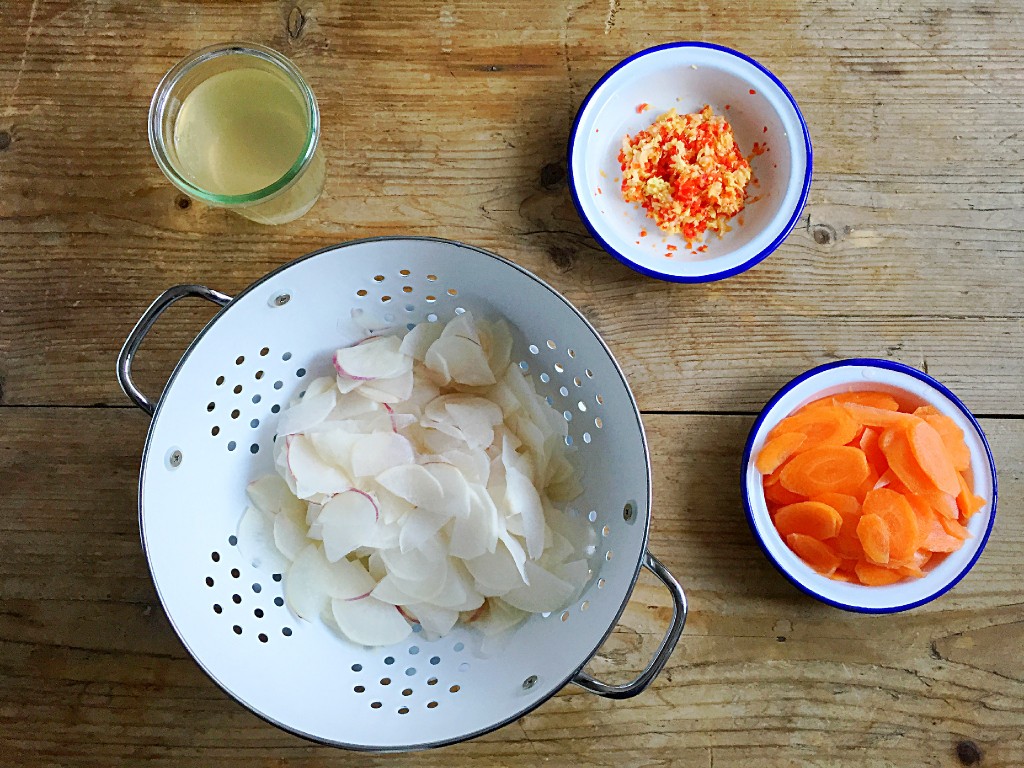
Mix salt and water in a bowl and set aside, then peel and very finely slice the carrots and turnips or if using cabbage, roughly chop, add to the salt water , making sure the vegetables are well covered in salt water and leave to soaks over night. A tip for slicing the carrots and turnips: You can get very fine stings rather than slices by using a peeler, it looks great and is super quick and easy.

Prepare the Kimchi paste by blending the garlic, ginger and chili together, put in a jar and store in the fridge until the next day.

The following day, drain the soaked vegetables, keeping the brine as you may need to add some at the end. Check the vegetables for taste, if they taste too salty, rinse with water once. Next mix the drained vegetables with the Kimchi paste, mix well to make sure the paste is well distributed.

Then take the Kilner jar and pack the vegetables tightly into the jar, one layer at a time, pressing down layer for layer. The brine will start rising slowly, keep on packing and pressing down the layers, leaving two inches at the top. It is important that the vegetables are covered with rising brine, so add some of the left over brine if needs be for the vegetables to be well covered.

Now place a glass of water on top of the vegetables to press them down, put the jar on a plate, as rising brine might spill over the top during the fermentation process. Cover with a towel and leave to ferment in a warm place for 5-7 days.

Check daily to see where the fermentation process is at, you will see bubbles rising, this is a sign that our little helping bacteria are hard at work. Press the glass down to release some of the air, which helps to speed up the process a little. Once the bubbles stop showing, usually after a week, close air tight and store in the fridge until serving.

Try with Irma’s gluten free summer rolls or watch out for next week’s chicken broth pho served with Kimchi…..
Bon Appetite !
Sprout your way through till Spring
Around this time of the year I love taking advantage of home sprouting, it’s such a good way to bring freshness to your plate. You can almost sprout any seeds or pulses, as well as some nuts. The idea of sprouting is to increase mineral… Read more
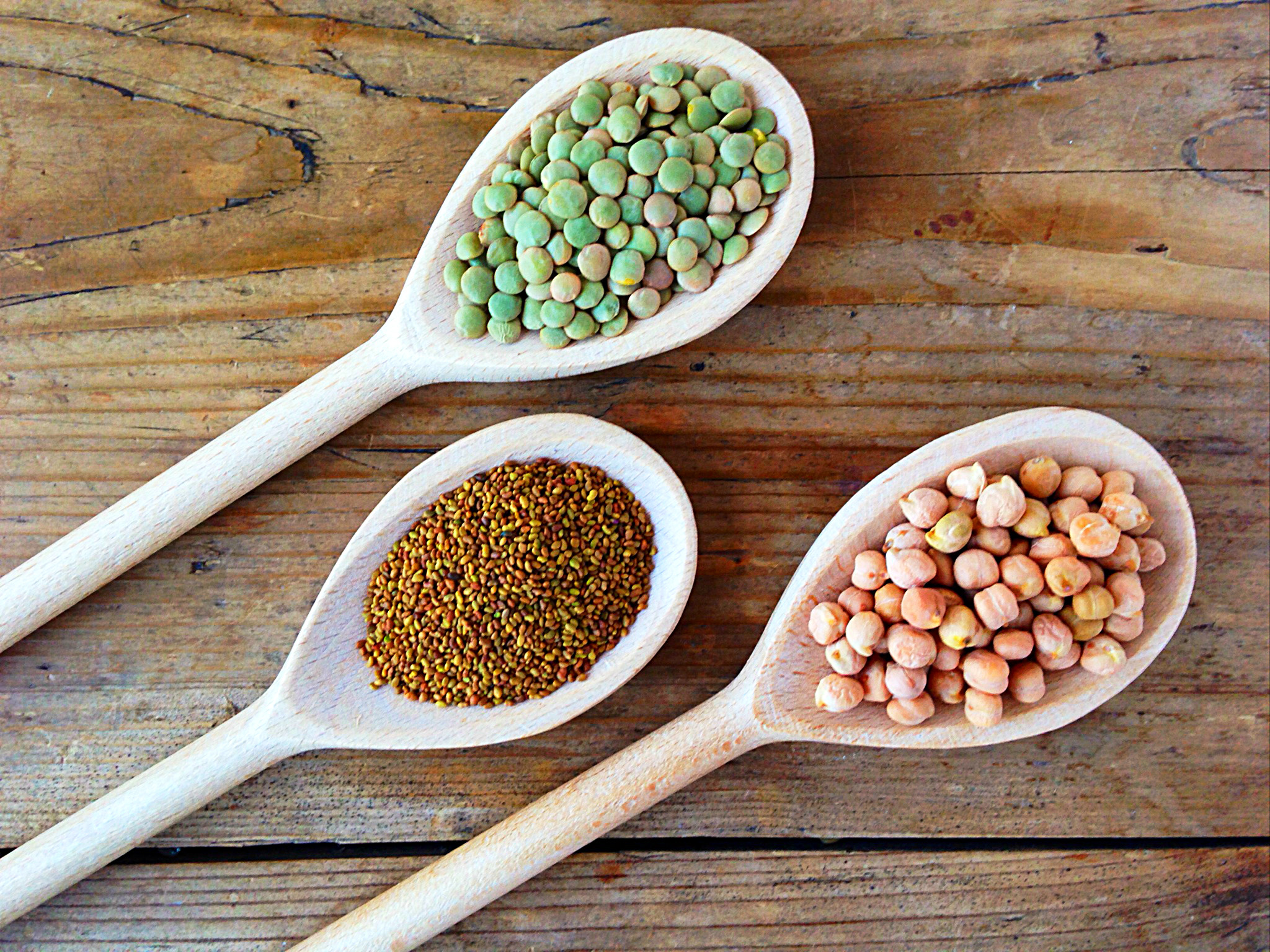
Lentil, chickpea and alfafa sprouts
You can get the dry beans and seeds from the supermarket and most organic shops or green grocers should have some. Organic is always better and not that much more expensive. And here is how it works:
1. Place a handful or two of seeds into a bowl , fill with water until covered and leave to soak over night. Ideally use filtered water.
2. The next morning, rinse well with filtered water and drain using a sieve, then place seeds back in the bowl, this time without adding water.
3. Leave covered or uncovered throughout the day, avoiding direct sunlight and repeat rinsing process in the evenings and mornings. Keeping the seeds moist and at room temperature will encourage them to start sprouting.
4. After 2-3 days small tails should start showing . Once the tails are well visible, they are ready to be eaten and will keep in and air tight container in the fridge for around 3-4 days. The cool temperature in the fridge will prevent them from sprouting further. Sprouts go really well on top of salads, soups, as sandwich fillings or eaten as a snack. In fact you can just sprinkle some freshness onto any lunches and dinners of your choice! For example I topped my kale & red cabbage salad with some alfafa sprouts today.
Bon appetit !